
What is patina on bronze?
Pretty color of bronze sculpture

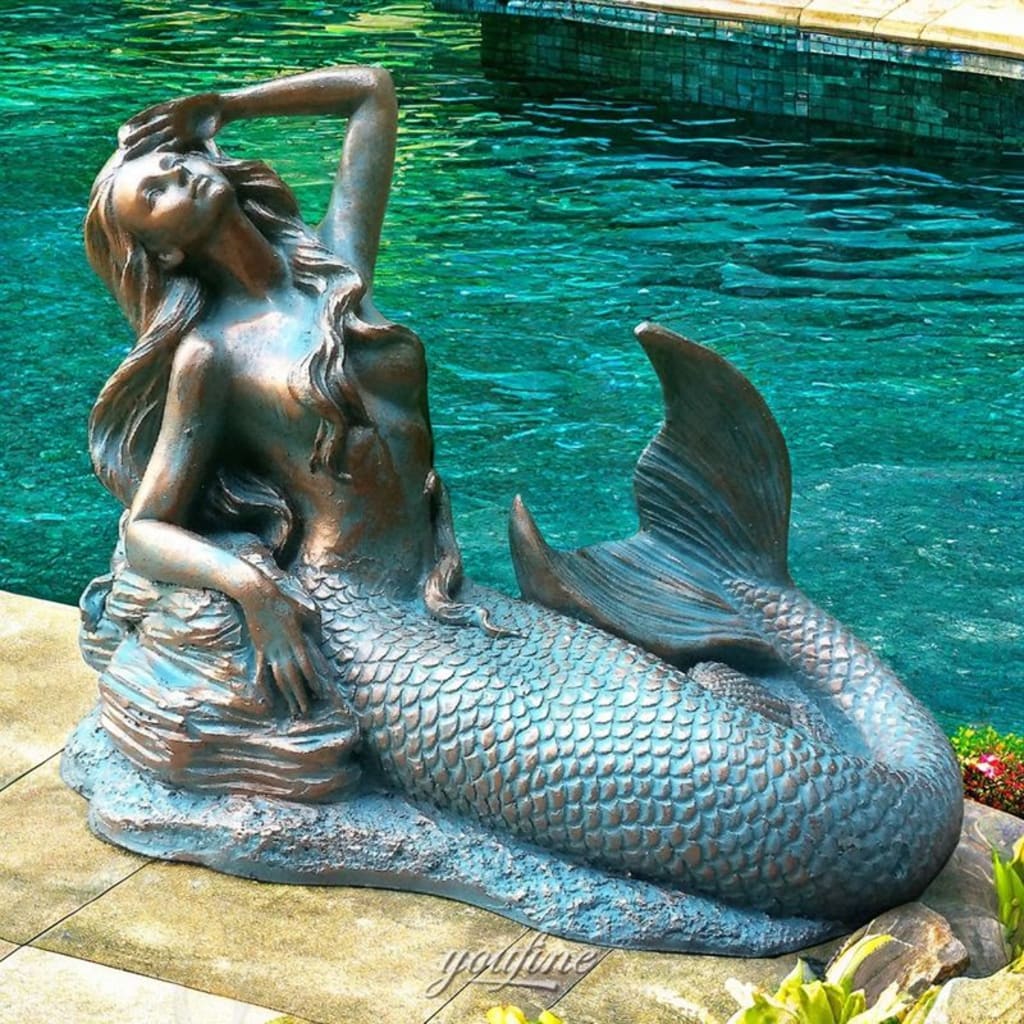
If you've ever stood before a bronze sculpture and seen the shifting brown or green hues, felt its emotions and breath, then that's patina. To make the bronze looks more pretty in appearance, some patina require to used. Moreover, bronze takes on even greater artistic value after undergoing the patination process.
What is the patina?
Apply some technique or reagents to change the colors of bronze, and get the desire appearance of bronze sculpture. And achieve the colors like red, yellow, black, brown, and so on. This is not merely color—it is emotion, layered upon layer, resting upon the metal.
Patina for bronze sculpture is like a meticulously tailored garment for copper, infusing copper sculptures with vibrant life.
Those exquisite surface color treatments help copper sculptures achieve their rightful vitality and liveliness.
Why select the patina?
-Higher value of Aesthetic value
Whether for aesthetic looks or collection, colored copper sculpture are all highly value. Compared to sculptures that have merely been polished, those bearing a patina of verdigris convey a greater sense of completeness and gravitas.
-Longer service life
The bronze after patina have a longer service outdoor. And they showcase pretty looks with time goes by. For instance, some patina on bronze can protect the sculpture from rain, wind or sunshine.
-Culture depth
The bronze sculpture not convey the beauty, but also showcase the culture, as like they are talking some stories to the person, especially for sculpture after patina. Some ancient bronze statues have acquired cultural symbolic significance, while simultaneously bearing the indelible traces of time.
-Mature Craftsmanship
If you wish to obtain a beautiful bronze sculpture, the application of a patina is an essential step. This process is supported by mature craftsmanship, enabling artists to achieve their ideal sculptural results—for instance, by precisely controlling factors such as the ratio of chemical reagents, temperature, and reaction time. Especially the brand like Youfine.
The common steps of patina on bronze:
-High-Polished Natural Bronze
By restoring bronze to its original hue, High-Polished Natural Bronze exhibits a remarkably bright metallic luster after polishing. This finish is well-suited for clients with limited budgets who appreciate natural aesthetics. However, this approach makes the bronze susceptible to surface imperfections resulting from natural chemical reactions during long-term storage.
-Chemical treatment:
We usually apply chemical solution on the surface of bronze casting, these chemical reagents reacts with copper elements, thereby producing a patina effect. The colors like red, yellow, green, and black.
-Spray Painting:
Fixed Color Code for bronze materials. And this step can achieve precise control to get a uniform and fixed color. It is ideal for someone who love specific visual aesthetic.
-Spray coating
This is useful to get pretty effect on bronze, stainless steel, resin, wood.
-Electroplating
As a more technical approach, they can get a smooth and controlled metal surface finish. However, they are may not eco-friendly enough.
-God leaf application
This step is widely used in some temples buddha statue to get the luxurious, and divine appearance. And they can capture the focus of person.
-Hand-painting and acrylics
Through apply the layers of paint or acrylics to the surface, they can get the vibrant, expressive, and highly custimizable effect. The colors changes bring more imagination on bronze sculpture.
As we all know, once a bronze sculpture has been cast using the lost-wax method, it retains the natural color of the metal; after undergoing grinding or polishing, such a sculpture exhibits a naturally lustrous sheen.
The patina softens the edges and deepens the substance, ensuring that your bronze sculpture remains vividly alive even after casting.
About the Creator
Youfinecina
Marble statue are luxurious, vivid, showcase the beauty of aesthetic.
I am exploring the beauty of hand-carved sculpture of the world.
Keep reading
More stories from writers in Art and other communities.
Watching The End Of The World From The Diner
Introduction I am not sure how to approach this. Guy Peellaert was an amazing artist who created iconic fantasy images of famous people, usually musicians or politicians, as well as creating commissioned album covers such as "It's Only Rock'n'Roll" by The Rolling Stones and David Bowie's "Diamond Dogs" which you can read more about below.
By Mike Singleton 💜 Mikeydred 4 days ago in Art
What If Truth Is Rejected Even When It Is Lived Well
It’s easy to assume that if something is true, and if it is communicated clearly, reasonably, and with goodwill, it will eventually be accepted. This assumption sits quietly beneath a lot of effort, especially in faith. We speak carefully. We try to be fair. We explain ourselves patiently. Somewhere beneath all of that is the hope that clarity and sincerity will be enough. But what if that hope misunderstands how truth actually moves through the world.
By Peter Thwing - Host of the FST Podcast2 days ago in Art
Foraging Appalachia’s Wild Edibles
It's that time of year again and Appalachia offers a remarkable abundance for anyone willing to learn its seasonal gifts and practice careful gathering. Across ridges, holler's, stream-side's, and meadows, edible plants, berries, roots, and fungi appear through every part of year. Knowledge is key and teaches not only what can be eaten, but also how to gather with respect so that these resources remain available far into future.
By Tim Carmichael7 days ago in Feast



Comments
There are no comments for this story
Be the first to respond and start the conversation.