
World War 3 Nears
A Grim Possibility or Alarmist

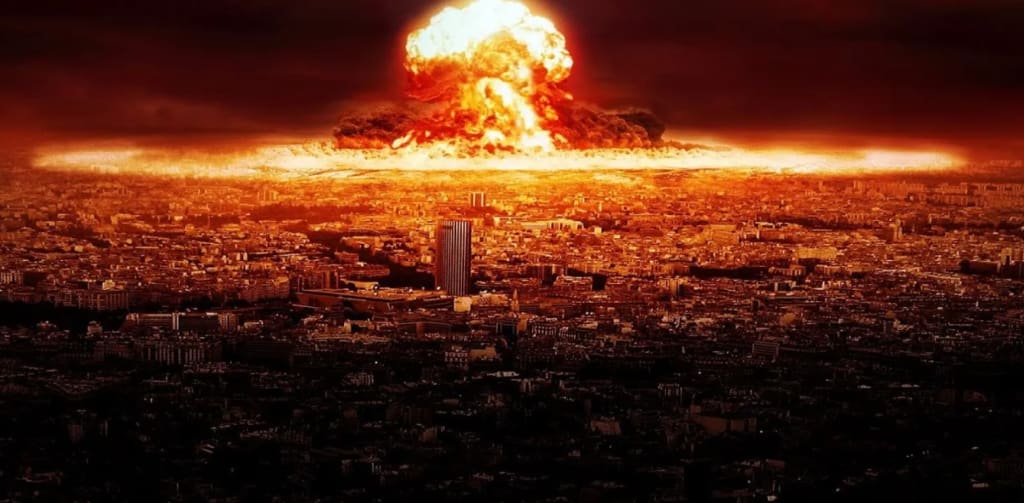
In recent years, geopolitical tensions have intensified across multiple global hotspots, prompting analysts, journalists, and citizens alike to raise a chilling question: Is the world inching closer to World War III? While headlines warning of global conflict may sound sensationalist, several developments on the international stage suggest that the risk of a broader war cannot be dismissed outright.
Rising Tensions Across the Globe
1. NATO vs. Russia: The Ukraine War’s Global Ripple Effects
The ongoing war in Ukraine has been the most direct confrontation between Western powers and Russia since the Cold War. With NATO supplying weapons, intelligence, and training to Ukraine and Russia warning of “red lines,” the possibility of direct conflict between nuclear-armed states has grown. The recent military escalations, cyberattacks, and proxy skirmishes raise the specter of an uncontrollable escalation.
2. U.S.-China Rivalry in the Pacific
The strategic rivalry between the United States and China continues to sharpen, particularly over Taiwan. Beijing’s aggressive posturing, including military drills near Taiwanese airspace, is viewed by Washington and its allies as a direct threat to regional security. Any misstep — whether through a military miscalculation or political provocation — could spark a conflict that draws in multiple nations.
3. Middle East Flashpoints
The Israel-Iran conflict, tensions involving Hezbollah in Lebanon, and the broader instability in the Middle East have created a powder keg that could draw in global powers. With the recent escalations involving Iran’s nuclear ambitions and regional proxy wars, the chance of a wider regional war, potentially involving the U.S., Russia, or China, looms ominously.
Key Warning Signs of a Global Conflict
1. Military Build-Ups: Nations across the globe are increasing defense spending, modernizing arsenals, and conducting large-scale military exercises.
2. Alliances Solidifying: Political and military alliances are becoming more rigid, echoing the divided world order seen prior to World War I and II.
3. Disinformation and Cyberwarfare: Nations are already engaged in hybrid warfare, using cyberattacks, propaganda, and economic coercion.
4. Collapse of Diplomacy: International institutions like the UN and arms control treaties are losing influence, and diplomatic trust between powers is eroding.
Could It Really Happen?
While the idea of World War III remains unthinkable to many, history has shown that global wars are often triggered not by one major event, but by a cascade of interconnected crises. Unlike the past, however, the stakes are now even higher — with nuclear weapons, AI-enhanced warfare, and globally integrated economies all acting as both deterrents and potential accelerants.
Some argue that the threat is overstated, pointing to the mutually assured destruction (MAD) doctrine as a powerful deterrent. Others warn that the presence of numerous nuclear powers, coupled with unstable leadership in some regions, actually increases the risk of accidental or impulsive escalation.
What Can Be Done?
Preventing a third world war requires urgent, coordinated action:
1. Revitalizing Diplomacy: Re-establishing communication channels between rival powers is essential.
2. Strengthening International Law: Holding aggressors accountable and reinforcing treaties can help reduce lawlessness.
3. Citizen Engagement: Public pressure on governments to pursue peace can shift national policies.
4. Addressing Root Causes: Global inequalities, resource competition, and ideological extremism need to be tackled before they fuel further conflict.
Final Thoughts
While World War III is not inevitable, the current trajectory of global affairs is perilous. The world faces a choice: continue on a path of confrontation and mistrust, or step back from the brink through deliberate diplomacy and shared humanity. History has taught us the cost of global war — the question now is whether we’ve learned enough to avoid repeating it.
About the Creator
Keep reading
More stories from Gus Woltmann and writers in Chapters and other communities.
The Impact of Social Media on Communication
In the past two decades, social media has revolutionized the way people communicate. Platforms like Facebook, Twitter, Instagram, LinkedIn, and TikTok have reshaped interpersonal interactions, business strategies, and even political discourse. While social media has brought undeniable benefits, it has also introduced challenges that affect the quality and nature of communication in profound ways.
By Gus Woltmann7 days ago in Chapters
Crystal Banaba - 7
“What kind of tests?” Rachel asked. “Well, we take the annual physical just like everyone does, but it also includes balance and coordination tests. And after 65, we take a comprehensive cognitive test every six months, to see how our wit and memory works and to detect deterioration.”
By Lana V Lynxa day ago in Chapters
Lap Cat
My nose is dripping, and Delia is tracing her fingers through my hair. Her husband is shirtless by the microwave, heating up leftovers from New Year's Eve. In 60 seconds, I'll be shoving mouthfuls of risotto between my quivering lips like a child and picking at semi-stale dinner rolls. Then, I'll pass my plate to one of their three Tabby cats (whom I can never tell apart) and let him/her/them (?) lick it clean.
By Erin Latham Shea8 days ago in Fiction




Comments