
Biosensors Market: Rising Chronic Disease Prevalence, Early Detection Tools & Market Forecast
The biosensors market grows as digital health technologies advance.

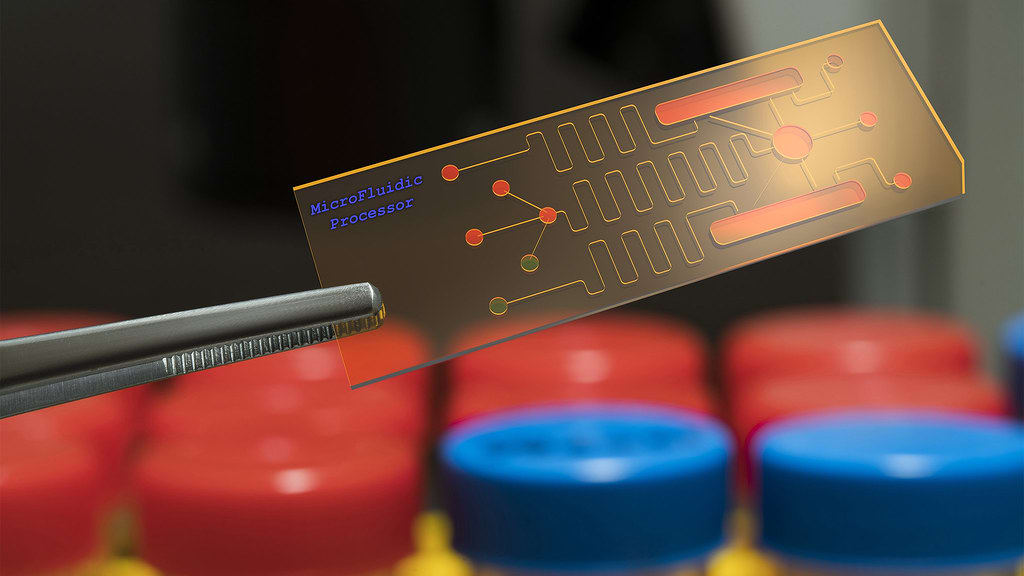
According to IMARC Group's latest research publication, The global biosensors market size reached USD 33.1 Billion in 2025. Looking forward, IMARC Group expects the market to reach USD 58.9 Billion by 2034, exhibiting a growth rate (CAGR) of 6.42% during 2026-2034.
How AI is Reshaping the Future of Biosensors Market
- Automated Disease Detection and Enhanced Diagnostic Precision: Machine learning algorithms are revolutionizing how biosensors identify diseases by processing complex biological signals with remarkable accuracy.
- Predictive Health Analytics for Preventive Care: AI-driven biosensors now predict health events before they occur by analyzing real-time physiological data from patients.
- Accelerated Biosensor Development Through AI Design: Artificial intelligence is transforming biosensor development by identifying optimal materials, sensor architectures, and biorecognition elements through computational modeling rather than trial-and-error approaches.
Biosensors Industry Overview:
The biosensors sector is experiencing robust expansion driven by convergence of nanotechnology, artificial intelligence, and wearable electronics. Biolinq achieved FDA approval in September for Shine, the first insertion-free glucose biosensor integrating glucose monitoring with activity and sleep tracking in one wearable device for non-insulin dependent diabetes management.
Biosensors Market Trends & Drivers
Rising chronic disease prevalence worldwide is fundamentally reshaping biosensor demand as continuous monitoring becomes essential for effective disease management. The International Diabetes Federation reported approximately 589 million diabetes cases globally, with projections reaching 853 million, creating massive demand for continuous glucose monitoring systems.
Point-of-care testing and home diagnostics are revolutionizing healthcare delivery by bringing laboratory-quality measurements to patients without requiring clinical infrastructure. According to a National Heart, Lung, and Blood Institute study, 1 in 3 Americans now prefer wearable devices to track health and fitness, reflecting growing consumer comfort with self-monitoring technologies.
Government initiatives and research funding are catalyzing innovation across the biosensor ecosystem through targeted investments in AI integration, nanomaterial development, and clinical validation programs. The U.S. National Science Foundation actively supports biosensor research, with Penn State receiving $1.5 million to develop AI-designed biosensors for detecting neurotransmitters.
Leading Companies Operating in the Global Biosensors Industry:
- Abbott Laboratories
- AgaMatrix Inc. (WaveForm Technologies Inc)
- DuPont de Nemours Inc.
- F. Hoffmann-La Roche AG
- General Electric Company
- LifeScan Inc. (Platinum Equity LLC)
- Medtronic PLC
- Nova Biomedical Corporation
- PHC Holdings Corporation
- Siemens AG
- Thermo Fisher Scientific Inc.
Biosensors Market Report Segmentation:
By Product:
- Wearable Biosensors
- Non-Wearable Biosensors
Non-wearable biosensors represent the largest segment due to their widespread use in clinical diagnostics, medical testing, and laboratory applications.
By Technology:
- Electrochemical Biosensors
- Optical Biosensors
- Piezoelectric Biosensors
- Thermal Biosensors
- Nanomechanical Biosensors
- Others
Electrochemical biosensors account for the largest market share owing to their high sensitivity, low cost, ease of use, and fast response times.
By Application:
- Blood Glucose Testing
- Cholesterol Testing
- Blood Gas Analysis
- Pregnancy Testing
- Drug Discovery
- Infectious Disease Testing
- Others
Blood glucose testing represents the largest segment because of the growing prevalence of diabetes worldwide.
By End Use:
- Point of Care Testing
- Home Healthcare Diagnostics
- Research Laboratories
- Security and Biodefense
- Others
Point of care testing dominates the market attributed to its convenience, speed, and ability to provide immediate results at the site of patient care.
Regional Insights:
- North America (United States, Canada)
- Asia Pacific (China, Japan, India, South Korea, Australia, Indonesia, Others)
- Europe (Germany, France, United Kingdom, Italy, Spain, Russia, Others)
- Latin America (Brazil, Mexico, Others)
- Middle East and Africa
North America exhibits a clear dominance in the biosensors market due to the presence of an advanced healthcare system.
Recent News and Developments in Biosensors Market
- September 2025: Biolinq received FDA de novo classification for Shine biosensor, becoming the first insertion-free wearable device integrating glucose monitoring, physical activity tracking, and sleep information in a single platform.
- February 2025: Abbott announced FDA approval for its FreeStyle Libre 4 biosensor featuring Bluetooth connectivity and AI-powered hypoglycemia prediction capabilities, marking significant advancement in continuous glucose monitoring technology.
Note: If you require specific details, data, or insights that are not currently included in the scope of this report, we are happy to accommodate your request. As part of our customization service, we will gather and provide the additional information you need, tailored to your specific requirements. Please let us know your exact needs, and we will ensure the report is updated accordingly to meet your expectations.
About the Creator
sujeet. imarcgroup
With 2 years of hands-on experience at IMARC Group, I have conducted in-depth market research and analysis across diverse industries including technology, healthcare, agriculture, and consumer goods.
Keep reading
More stories from sujeet. imarcgroup and writers in Futurism and other communities.
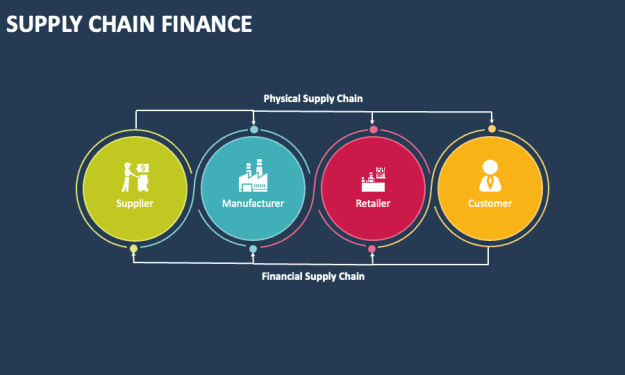
Supply Chain Finance Market: SME Financing Access, Digital Lending Platforms & Market Forecast
According to IMARC Group's latest research publication, the global supply chain finance market size reached USD 8.1 Billion in 2025. Looking forward, IMARC Group expects the market to reach USD 15.8 Billion by 2034, exhibiting a growth rate (CAGR) of 7.68% during 2026-2034.
By sujeet. imarcgroupa day ago in Futurism
The Silicon Mirror
The blue light of your smartphone isn’t just illuminating your face in the dark; it is performing a digital excavation of your psyche. Every midnight scroll, every paused frame, and every "like" is a breadcrumb leading a cold, mathematical ghost back to your deepest insecurities. We have reached a critical point in human history where we no longer simply use the internet—the internet uses us to learn how to feel. We are the fuel in the engine of a consciousness we don't yet understand.
By Alex Sterling 7 days ago in Futurism
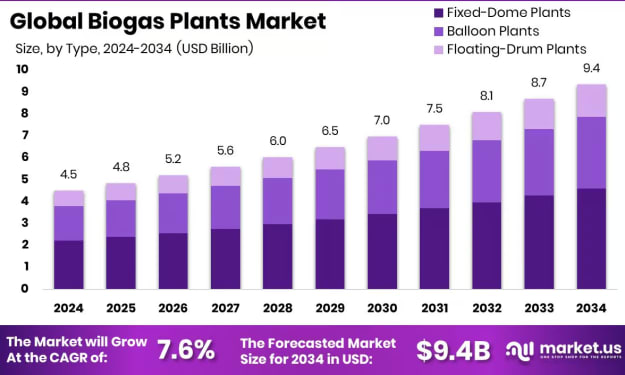
Biogas Plants Market To Reach USD 9.4 Billion by 2034 at 7.6% CAGR
Overview The Biogas Plants Market is projected to experience steady growth over the coming decade, driven by increasing demand for renewable energy and sustainable waste management solutions. The market is expected to be worth around USD 9.4 billion by 2034, up from USD 4.5 billion in 2024, growing at a compound annual growth rate (CAGR) of 7.6% from 2025 to 2034. Biogas plants convert organic waste such as agricultural residues, food waste, and animal manure into renewable energy in the form of biogas, which can be used for electricity generation, heating, and transportation fuel.
By Hayden Kulas4 days ago in Futurism


Comments
There are no comments for this story
Be the first to respond and start the conversation.