
GCC In-Vitro Diagnostic Devices Market Outlook: Growth Drivers, Technological Advancements & Future Opportunities
How Rising Healthcare Investments and Diagnostic Advancements Are Driving the GCC In-Vitro Diagnostic Devices Market

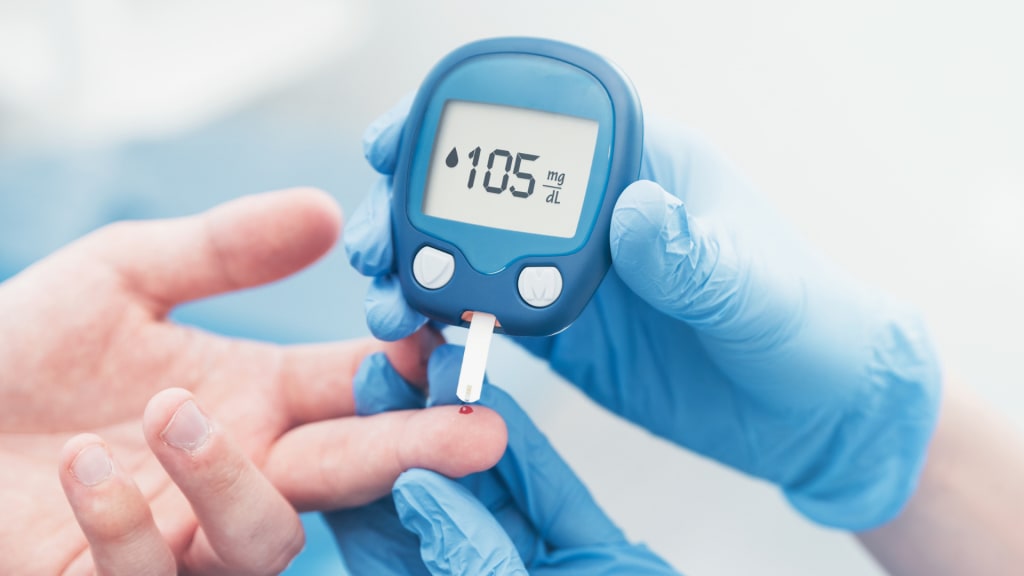
According to IMARC Group's latest research publication, GCC in-vitro diagnostic devices market size reached USD 1,334.0 Million in 2025. The market is projected to reach USD 1,850.8 Million by 2034, exhibiting a growth rate (CAGR) of 3.71% during 2026-2034.
How AI is Reshaping the Future of GCC In-Vitro Diagnostic Devices Market
- Automated Disease Detection and Analysis: Machine learning algorithms rapidly identify pathogens and biomarkers in blood samples, reducing diagnostic errors and enabling labs across Saudi Arabia and UAE to process over 30 million tests annually with real-time quality control.
- Digital Pathology with Whole Slide Imaging: AI converts traditional microscopy slides into high-resolution digital images for instant analysis, helping GCC oncology centers accelerate cancer detection and enabling remote consultations between pathologists across the region.
- Point-of-Care Diagnostic Enhancement: Portable AI-driven devices deliver laboratory-quality results in minutes at bedside or clinic settings, supporting rapid clinical decisions for infectious diseases, cardiac markers, and diabetes monitoring throughout underserved areas.
- Predictive Analytics for Chronic Disease Management: Advanced algorithms analyze patient data patterns to forecast disease progression, personalizing treatment plans for the region's high prevalence of diabetes, cardiovascular conditions, and metabolic disorders.
- Laboratory Workflow Automation: Robotic systems integrated with AI streamline sample processing, reduce turnaround times from days to hours, and free laboratory professionals to focus on complex diagnostic challenges in GCC's expanding healthcare infrastructure.
Request a Sample Report with the Latest Data & Forecasts
How Vision 2030 is Revolutionizing GCC In-Vitro Diagnostic Devices Industry
Saudi Arabia's Vision 2030 and the UAE's parallel healthcare transformation initiatives are fundamentally reshaping the diagnostic landscape across the GCC. The Saudi government committed SAR 214 billion (USD 57 billion) to health and social development, adding between 26,000 to 43,000 hospital beds by 2030 and aiming to recruit 175,000 healthcare professionals including 69,000 doctors and 64,000 nurses. The Kingdom's USD 100 billion AI investment under Project Transcendence specifically targets advanced diagnostics, while the establishment of Lifera as a national healthcare champion promotes local manufacturing and reduces import dependency. In the UAE, PureHealth launched the region's largest AI-powered diagnostic laboratory in late 2025—a seven-story, 70,000 square-foot facility processing over 30 million samples annually with 1,800 test parameters and 1,300 expert consultants. Both countries are prioritizing digital health infrastructure, with Saudi Arabia allocating USD 1.5 billion for health information technology and establishing 10 teleradiology enterprises, while mandatory health insurance expansion ensures broader access to diagnostic services for the region's growing population of 45 million expected by 2030.
GCC In-Vitro Diagnostic Devices Market Trends & Drivers:
The escalating burden of chronic and infectious diseases is fundamentally driving diagnostic demand across the GCC. Non-communicable diseases account for 70% of deaths in Saudi Arabia, with diabetes prevalence reaching 68.3% among hospitalized COVID-19 patients at major facilities like King Khaled University Hospital. The region faces mounting pressure from cardiovascular disease, cancer, respiratory conditions, and metabolic disorders requiring continuous monitoring and early detection. This disease burden, combined with rapidly aging populations growing at 11% annually and total GCC populations expanding toward 45 million, creates sustained need for comprehensive diagnostic capabilities. The shift from treatment-focused to prevention-focused healthcare models positions diagnostic laboratories as central pillars of national health strategies, with governments investing billions in screening programs, newborn testing initiatives, and infectious disease surveillance networks that depend entirely on advanced IVD devices.
Healthcare infrastructure expansion and privatization initiatives are transforming market dynamics throughout the region. Saudi Arabia plans to increase private sector healthcare contributions from 40% to 65% by 2030, including privatization of 290 hospitals and 2,300 primary health centers that will require extensive diagnostic equipment installations. Major laboratory operators like Al Borg Medical Labs, Delta Medical Labs, and Alfa Medical Labs are expanding capacity, while international players including Abbott, Roche Diagnostics, and Danaher establish deeper regional presence through joint ventures and technology partnerships. The UAE's diagnostic laboratory market alone is projected to grow from USD 1.64 billion toward USD 2.36 billion as facilities like PureLab's AI-powered mega-laboratory set new benchmarks with capabilities spanning anatomic pathology, molecular genetics, histocompatibility testing, and environmental diagnostics. These infrastructure investments support unified diagnostic platforms reducing dependency on multiple laboratories and enabling cost-effective, high-volume testing networks.
Technological innovation and mandatory insurance coverage are accelerating market penetration across all GCC countries. Point-of-care testing solutions enable rapid diagnostics in remote areas and emergency departments, while molecular diagnostics through PCR and next-generation sequencing expand into precision medicine and pharmacogenomics applications. Laboratory automation systems reduce human error and processing times, with facilities achieving same-day results where traditional methods required multiple days. The implementation of Mandatory Health Insurance schemes throughout the GCC, particularly in Saudi Arabia and the UAE, ensures financial access to diagnostic services for larger population segments including the region's substantial expatriate workforce. Digital health platforms like Saudi Arabia's Sehhaty application integrate diagnostic ordering, result delivery, and telemedicine consultations, supporting the 70% digital health record penetration target. Combined with government incentives for local diagnostic manufacturing and growing medical tourism to Dubai and Riyadh healthcare hubs, these factors position the GCC as a rapidly advancing center for diagnostic excellence.
GCC In-Vitro Diagnostic Devices Market Industry Segmentation:
The report has segmented the market into the following categories:
End-User Insights:
- Hospital-Based Centers
- Diagnostics Chains
- Standalone Centers
- Others
Application Insights:
- Infectious Diseases
- Diabetes
- Blood Test
- Nephrology
- Cardiology
- Oncology
- Autoimmune Diseases
- Others
Country Insights:
- Saudi Arabia
- United Arab Emirates
- Kuwait
- Qatar
- Oman
- Bahrain
Competitive Landscape:
The competitive landscape of the industry has also been examined along with the profiles of the key players.
Recent News and Developments in GCC In-Vitro Diagnostic Devices Market
- February 2025: NOUL received approval from the Saudi Food & Drug Authority (SFDA) for its miLab™ AI-powered diagnostic platform, marking strategic entry into Middle Eastern markets with automated blood analysis and cervical cytology screening capabilities for resource-limited healthcare settings.
- July 2024: Saudi Arabia's Arabian International Healthcare Holding Company (TIBBIYAH) commenced joint venture operations with Swiss-based Unilabs Diagnostics AB, expanding specialized diagnostic services and international quality standards throughout the Kingdom.
- December 2025: PureHealth inaugurated the UAE's largest AI-powered diagnostic laboratory, a 70,000 square-foot facility in Abu Dhabi processing over 30 million samples annually with 1,800 test parameters across molecular genetics, anatomic pathology, and infectious disease detection.
- August 2023: Sysmex Corporation announced expansion of its Global Business Partnership Agreement with Roche Diagnostics International Ltd., enhancing integrated diagnostic solutions and strengthening supply chains for hematology and chemistry analyzers across GCC markets.
Note: If you require specific details, data, or insights that are not currently included in the scope of this report, we are happy to accommodate your request. As part of our customization service, we will gather and provide the additional information you need, tailored to your specific requirements. Please let us know your exact needs, and we will ensure the report is updated accordingly to meet your expectations.
About the Creator
Abhay Rajput
I am working in market research company that provides market and business research intelligence across the globe.
Keep reading
More stories from Abhay Rajput and writers in Futurism and other communities.
GCC Intravenous Solutions Market Outlook: Growth Drivers, Healthcare Demand & Future Opportunities
According to IMARC Group's latest research publication, GCC intravenous solutions market size reached USD 820.1 Million in 2025. The market is projected to reach USD 1,255.4 Million by 2034, exhibiting a growth rate (CAGR) of 4.70% during 2026-2034.
By Abhay Rajputabout 13 hours ago in Futurism
How to Choose the Right Hosting for Your Elementor Website in 2026
Elementor is a WordPress page builder with over 10 million active installations in 2026. It gives website owners full visual control over their page layouts, sections, and design elements. However, no matter how well an Elementor website is designed, its performance depends entirely on the hosting environment running underneath it. The wrong hosting choice produces slow load times, unreliable uptime, and poor Google search rankings that no amount of design optimization can fix.
By Shane Smith2 days ago in Futurism
A Transparent Look at Vocal Challenges and Top Stories
Almost three years ago, we shared a resource article that served as a place for people to suggest new challenge prompts. We thought it would be a good idea to refresh that thread, and take the opportunity to answer a few common questions about top stories, how challenges are judged and how submissions are reviewed.
By Vocal Curation Team5 days ago in Resources


Comments
There are no comments for this story
Be the first to respond and start the conversation.