
Saudi Arabia Plant-Based Condiments Market: Vegan Trends, Clean Label Products & Growth Outlook
How digital payment adoption, mobile-first shopping behavior, and rapid logistics and last-mile delivery innovations are transforming consumer convenience, retail competition, and market growth across the Saudi Arabia e-commerce market.

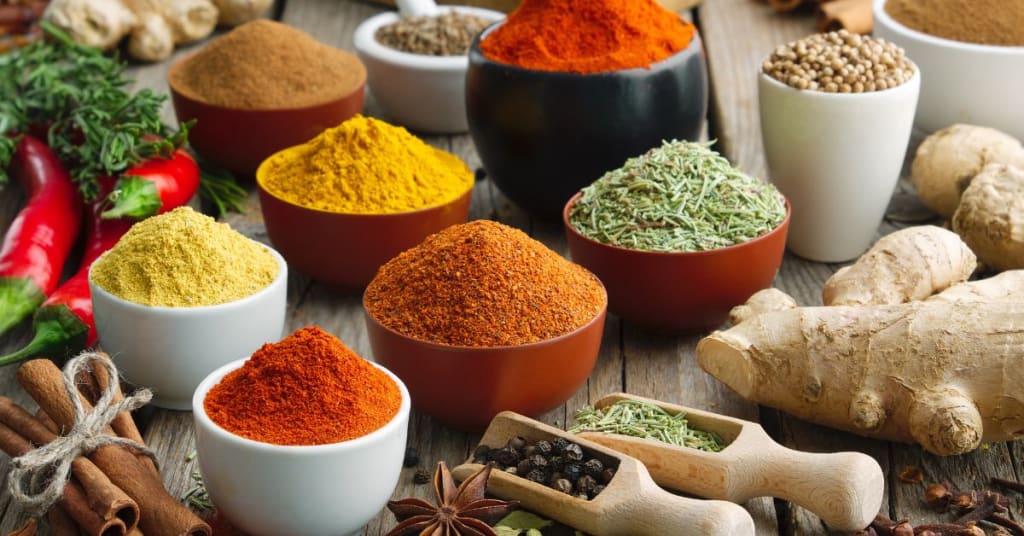
Rising health awareness, busy lifestyles, and preference for convenient, plant-based options are driving demand in Saudi Arabia's condiments market, supported by Vision 2030 initiatives, clean-label trends, product innovation, and expanding retail channels. According to IMARC Group's latest data, the Saudi Arabia plant-based condiments market size was valued at USD 2,380.57 Million in 2025. Looking forward, IMARC Group estimates the market to reach USD 3,469.78 Million by 2034, exhibiting a CAGR of 4.28% from 2026-2034. Vegetables and fruits currently dominate the market, holding a market share of 48% in 2025.
Plant-based condiments now represent a rapidly growing segment in Saudi Arabia's food industry, driven by government initiatives under Vision 2030 promoting food security and local manufacturing. The market benefits from rising health consciousness, busy lifestyles favoring convenient nutrition, and increased interest in clean-label, preservative-free products. Major segments include vegetable and fruit-based pastes, tomato purees, plant-based sauces, and natural seasonings, with consumers prioritizing transparent labeling, halal certification, and authentic Middle Eastern flavor profiles adapted to modern dietary preferences.
Explore Market Drivers and Challenges with a Free Sample Report
Saudi Arabia Plant-Based Condiments Market Growth Drivers:
- Rising Health Consciousness and Clean-Label Demand
Health-conscious Saudi consumers are increasingly prioritizing plant-based condiments as healthier alternatives to conventional products containing artificial additives and high sodium levels. With obesity affecting 35.4% of adults and diabetes impacting 18.3% of the population, dietary shifts toward cleaner ingredients have accelerated significantly. According to a 2023 YouGov survey, 62% of consumers now actively scrutinize nutritional labels for sugar and salt content when purchasing food products. The Saudi Food and Drug Authority's enhanced nutritional labeling requirements implemented in 2025 have further empowered informed purchasing decisions, driving manufacturers to reformulate products with transparent ingredient lists and natural preservatives that command premium market positioning.
- Government Vision 2030 Initiatives Supporting Local Manufacturing
Saudi Arabia's Vision 2030 framework is fundamentally reshaping the condiments landscape through strategic investments in food security and domestic production capabilities. In 2024, the Agricultural Development Fund sanctioned SR 2 Billion (USD 533.33 Million) in credit facilities specifically focused on enhancing food sustainability across the Kingdom. In March 2025, Tanmiah Food Company partnered with Griffith Foods to establish the Kingdom's first facility entirely dedicated to halal-certified ingredient production, including sauces and seasonings. This initiative directly advances Vision 2030 objectives while reducing import dependency, creating employment opportunities, and building technical expertise in plant-based food manufacturing through government-backed programs promoting sustainable agriculture and food processing infrastructure.
- Expansion of Foodservice Sector and Quick-Service Restaurants
The rapid expansion of Saudi Arabia's foodservice industry is creating substantial commercial demand for plant-based condiment products across restaurants, cafes, and catering operations. The Kingdom's food service market is projected to grow from USD 38.81 billion in 2025, with quick-service restaurants experiencing particularly strong growth. In July 2025, Tanmiah Food Company expanded its partnership with McDonald's Saudi Arabia to increase locally sourced poultry supply, demonstrating the sector's commitment to domestic production. Lifestyle retail space in Riyadh and Jeddah is expected to reach 1.31 million square meters by 2027, coinciding with the Kingdom's target of attracting 150 million tourists annually by 2030, significantly boosting demand for diverse condiment offerings in commercial establishments.
Saudi Arabia Plant-Based Condiments Market Trends:
- Growing Adoption of E-Commerce and Digital Retail Platforms
Digital transformation is fundamentally reshaping how Saudi consumers discover and purchase plant-based condiments, with online grocery platforms experiencing substantial expansion across the Kingdom. According to a September 2024 report from Saudi Arabia's Small and Medium Enterprises, e-commerce in the retail sector doubled between 2020 and 2025, growing at 15% annually. With 33.6 million internet users projected to participate in e-commerce by 2024 according to the International Trade Administration, prominent retailers like Carrefour KSA and Nana now offer specialized health-focused condiment sections featuring same-day delivery in major cities. This digital accessibility particularly appeals to younger, tech-savvy consumers valuing convenience and product variety, while SR 200 million investment in food logistics infrastructure at King Abdulaziz Port strengthens national supply chains.
Recent News and Developments in Saudi Arabia Plant-Based Condiments Market
- March 2025: Tanmiah Food Company signed a Memorandum of Understanding with Griffith Foods to collaborate on creating halal-targeted sauces, seasonings, and ingredient solutions in Saudi Arabia. The partnership reflects Vision 2030 objectives related to food security and sustainability, with plans to establish an advanced research and development hub and the Kingdom's first facility entirely focused on halal ingredients production, positioning Saudi Arabia as a regional leader in plant-based condiment innovation.
- October 2024: The Kingdom of Saudi Arabia announced its intention to become a world leader in saffron production, known as "red gold" because of its high value as one of the world's most valuable spices. This initiative supports the broader government strategy of developing domestic agricultural capabilities and reducing reliance on imported spices and seasonings, directly benefiting the plant-based condiments sector through enhanced local ingredient sourcing.
Note: If you require specific details, data, or insights that are not currently included in the scope of this report, we are happy to accommodate your request. As part of our customization service, we will gather and provide the additional information you need, tailored to your specific requirements. Please let us know your exact needs, and we will ensure the report is updated accordingly to meet your expectations.
About the Creator
Shubham Sharma
Market research enthusiast sharing insights on global industries, emerging trends, growth opportunities, and data-driven analysis across diverse markets.
Keep reading
More stories from Shubham Sharma and writers in Futurism and other communities.
Saudi Arabia Beauty and Personal Care Market: Premiumization, E-commerce Growth & Expansion Outlook
According to IMARC Group's latest research publication, Saudi Arabia Beauty and Personal Care market size reached USD 4.6 Billion in 2024. The market is projected to reach USD 6.4 Billion by 2033, exhibiting a growth rate of 3.7% during 2025-2033.
By Shubham Sharma 4 days ago in Futurism
Europe Creator Economy Market worth USD 112.42 Billion By 2034
Europe Creator Economy Market Overview The Europe Creator Economy Market is projected to reach approximately USD 112.42 Billion by 2034, increasing from USD 14.3 Billion in 2024, reflecting a strong CAGR of 22.9% during the forecast period from 2025 to 2034.
By Roberto Crum6 days ago in Futurism
Australia Asphalt Pavers Market: Mobile Equipment Adoption, Compact Paving Solutions & Infrastructure Project Expansion
According to IMARC Group, the Australia asphalt pavers market reached a value of USD 71.7 Million in 2025 and is projected to reach USD 120.3 Million by 2034, growing at a compound annual growth rate (CAGR) of 5.62% during 2026–2034. The market is expanding as infrastructure development and road construction projects continue to accelerate across Australia. Asphalt pavers play a critical role in laying road surfaces, highways, airport runways and urban pathways, ensuring efficient and high-quality pavement construction. Increasing government investments in transportation infrastructure and regional connectivity projects are driving demand for advanced paving equipment. At the same time, contractors are adopting mobile and compact paving solutions to improve flexibility and efficiency across project sites, particularly in remote and regional areas. Technological advancements in paving machinery, including automation and multi-functional capabilities, are further supporting market growth by enhancing productivity and reducing labor dependency.
By Shrestha Royabout 2 hours ago in Futurism




Comments
There are no comments for this story
Be the first to respond and start the conversation.