
If Netanyahu Is Alive, Why Isn’t He Sharing a Video to Prove His Survival to the World?
live or Dead?

Introduction
In times of war and political tension, rumors often spread faster than facts. Recently, social media has been filled with claims that Israeli Prime Minister Benjamin Netanyahu may be dead or seriously injured. Many people have asked a simple question: If Netanyahu is alive, why doesn’t he share a clear video to prove it to the world?
This question reflects the growing mistrust of information in the digital age. However, the reality is more complex than many viral posts suggest.
The Origin of the Rumors
The rumors about Netanyahu’s death largely began during the escalating conflict between Israel and Iran. As military tensions increased, misinformation also spread rapidly across social media platforms.
Some posts claimed Netanyahu had been killed in an attack, while others suggested he had been replaced by artificial intelligence or a “deepfake” version of himself. These rumors were fueled by manipulated images and questionable videos circulating online. �
The Verge +1
In reality, fact-checking organizations and credible media outlets have repeatedly confirmed that these claims are false.
Netanyahu Has Actually Shared Videos
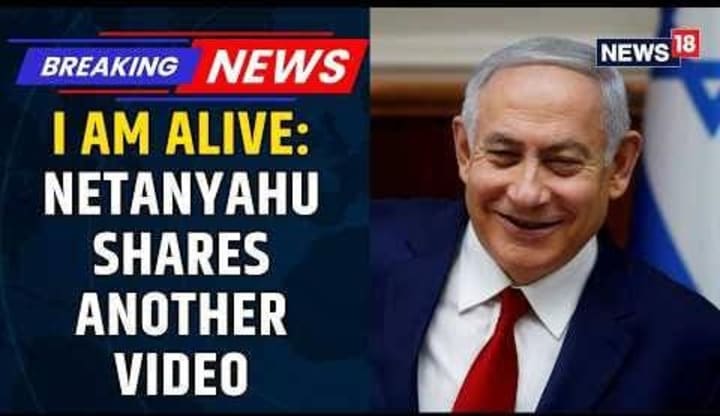
Contrary to the rumors, Netanyahu has already appeared in videos addressing the public. In one widely reported incident, he posted a video from a café near Jerusalem to dismiss the claims about his death.
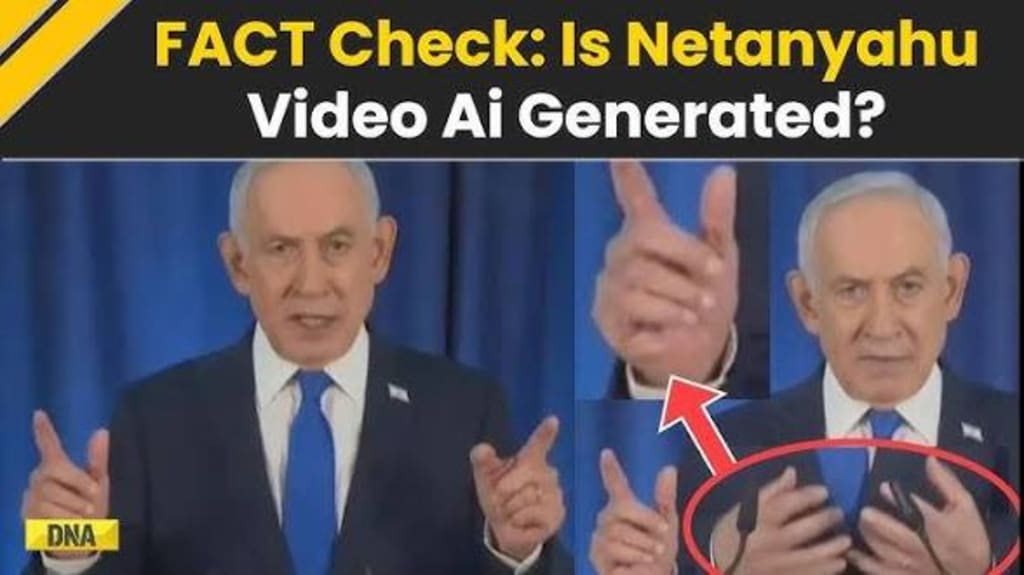
During the video, he even joked about the rumors and showed both of his hands to counter a strange online claim that a previous video showed him with six fingers. The appearance was meant to demonstrate that he was alive and well. �
New York Post +1
Journalists later confirmed the authenticity of the footage by verifying the location and timing of the recording. �
Reuters
Despite this, conspiracy theories continued to spread online.
Why People Still Doubt the Videos
Even after Netanyahu released videos, some people continued to question them. There are several reasons for this skepticism:

1. The Rise of AI and Deepfakes
Modern artificial intelligence tools can create highly realistic fake videos. Because of this, some viewers believe that any video could be digitally generated.
2. Video Quality and Visual Errors
In one case, viewers claimed they saw six fingers in a broadcast, which they argued proved it was AI-generated. However, experts said the effect was likely caused by lighting, camera angles, or compression artifacts. �
The Verge
3. Information Warfare During Conflict
During wartime, both propaganda and misinformation become common tools. Different groups may spread rumors to create confusion or weaken public trust.
Limited Public Appearances During War
Another reason people question Netanyahu’s status is that he has not appeared frequently in large public events.
However, this is not unusual during a major security crisis. Israel has been under strict emergency conditions because of the ongoing regional conflict. Public gatherings have been restricted, and security risks for political leaders have increased significantly. �
Reuters
Instead of traditional public appearances, Netanyahu has been meeting military officials, visiting strategic locations, and communicating through controlled media events or online statements.
The Power of Social Media Rumors
This situation highlights how quickly misinformation can spread in the modern digital world. A single misleading image or rumor can reach millions of people within hours.
Once a conspiracy theory gains attention, even real evidence—such as verified videos—may not convince everyone. In many cases, people continue believing the rumor because it aligns with their existing views or suspicions.
Conclusion
The question “If Netanyahu is alive, why doesn’t he share a video?” comes from understandable confusion caused by viral rumors. In reality, Netanyahu has already released videos and made public appearances that confirm he is alive.
The ongoing speculation shows how difficult it has become to separate truth from misinformation in the age of artificial intelligence, social media, and global conflict.
Ultimately, the issue is not the absence of evidence—but rather the challenge of convincing audiences in a world where even authentic images and videos are often doubted.
About the Creator
shaoor afridi
“I am a passionate writer dedicated to sharing informative, engaging, and well-researched articles. My goal is to provide valuable content that educates, inspires, and adds real value to readers.”
Keep reading
More stories from shaoor afridi and writers in Geeks and other communities.
Did China Really Ban Israeli Tourists from Entering the Country?
Introduction In recent months, social media has been flooded with claims that China has banned tourists from Israel. Many posts and viral messages suggested that Beijing had officially closed its borders to Israeli citizens due to geopolitical tensions and the ongoing conflicts in the Middle East. These claims spread quickly online, creating confusion and raising questions about the real situation. But is this claim true? A closer look at official statements and fact-checks shows a very different reality.
By shaoor afridiabout 10 hours ago in Geeks
History of The Three Stooges (Part I: The Beginnings and Columbia Pictures - 1920s-1936)
I have been itching to write about The Three Stooges on Vocal for close to two years, but I couldn't figure out how to do it. I wanted to do it by third Stooge, but that's a bit complicated. I know this much. I was about eight or nine years old when I first saw The Three Stooges. I remember one of my local channels had the Stooges on for hours, and I tried my damnedest to be up for those shorts. I remember that the Family Channel actually had an hour of the Stooges on from 11PM to midnight, and it was the entire library on during that time.
By Clyde E. Dawkins5 days ago in Geeks




Comments
There are no comments for this story
Be the first to respond and start the conversation.