
Oil Futures Decline as Traders Parse Iran War Impacts on Global Supply
Market Volatility Reflects Uncertainty Over Middle East Conflict and Energy Flows
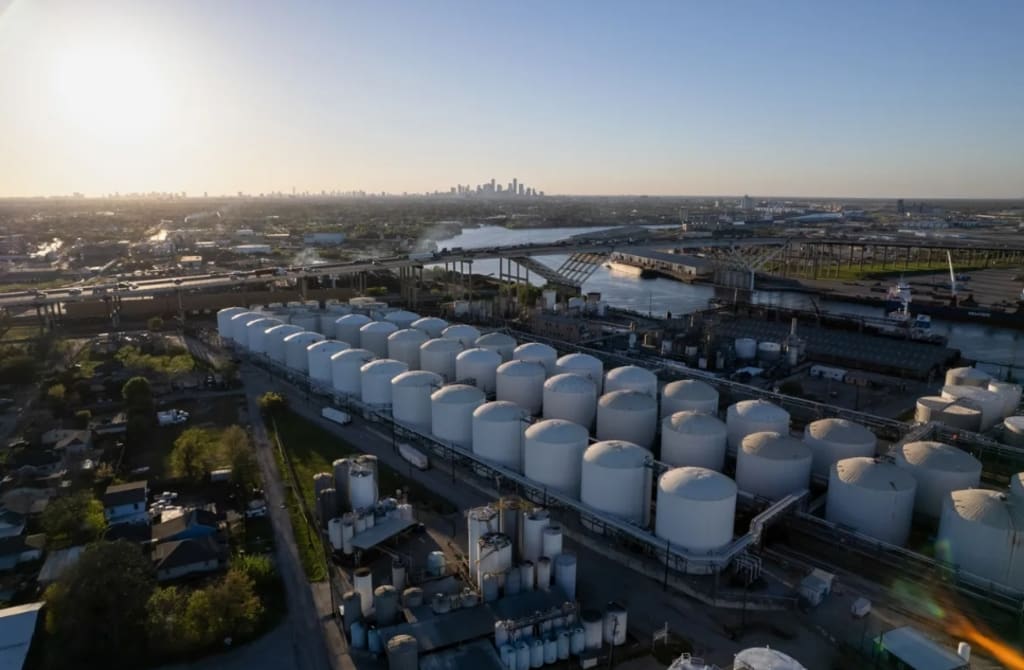
Global oil markets have entered a period of heightened volatility as traders attempt to assess the evolving impact of the ongoing conflict involving Iran. Oil futures recently declined as investors analyzed mixed signals about supply disruptions, geopolitical tensions, and the possibility of intervention from major oil-producing nations. While the conflict has raised fears of severe supply shortages, some market participants believe the worst-case scenario may still be avoided, leading to fluctuating prices and cautious trading activity.
The war involving Iran and the involvement of other regional and international actors has sent shockwaves through global commodity markets. Oil prices initially surged as the conflict intensified, reflecting concerns that crucial shipping routes and production facilities in the Middle East could be disrupted. However, as traders digested new developments and assessed the likelihood of long-term supply interruptions, oil futures retreated from their highs.
Energy markets are particularly sensitive to developments in the Middle East because the region plays a central role in global oil production and exports. A significant portion of the world’s crude oil passes through the Strait of Hormuz, a strategic waterway connecting the Persian Gulf to global markets. Roughly one-fifth of the world’s oil supply travels through this narrow passage, making it one of the most critical chokepoints in global energy trade. Any disruption in this route can send prices soaring almost instantly. �
Energy News +1
In recent weeks, concerns about potential blockades or attacks in the Strait of Hormuz have fueled dramatic swings in oil prices. Reports of military actions, threats to shipping routes, and the possibility of mines being deployed in the area have created an atmosphere of uncertainty in the energy market. Traders must constantly reassess the balance between geopolitical risks and actual supply disruptions.
Despite these fears, oil futures declined in recent trading sessions as investors interpreted some developments as signs that supply may not be severely constrained in the near term. Market participants are closely watching statements from governments, military updates, and shipping data to determine whether oil flows will remain stable.
One factor influencing the decline in futures prices is the belief that major oil-producing countries and international organizations may step in to stabilize supply. Governments can release crude from strategic reserves, increase production, or coordinate emergency responses to prevent a severe shortage. Such actions can help calm markets and reduce upward pressure on prices.
Another key element shaping trader sentiment is the uncertainty surrounding the duration and intensity of the conflict. While the war has escalated tensions across the region, there have also been mixed signals about possible de-escalation or diplomatic efforts. These conflicting messages have led to sudden price movements as markets react to each new headline.
Oil prices have been extremely volatile throughout the conflict. At one point, prices surged dramatically as fears of supply disruption intensified. However, as traders reassessed the situation and considered the possibility that exports might continue despite the conflict, prices retreated sharply. Analysts say this pattern reflects a classic geopolitical risk premium, where markets initially price in worst-case scenarios before adjusting as more information becomes available. �
The Star
The ongoing uncertainty is not only affecting oil markets but also influencing broader financial markets. Rising energy prices typically increase inflation pressures, raising concerns among policymakers and investors. Higher oil prices can lead to increased transportation costs, higher production expenses, and ultimately rising consumer prices.
Some analysts warn that if the conflict significantly disrupts oil supplies, the global economy could face serious consequences. Energy costs play a crucial role in nearly every sector, from manufacturing to agriculture and transportation. A prolonged supply shock could slow economic growth and create financial instability in many regions.
Financial institutions have already begun revising their outlook for oil prices in response to the conflict. Several banks have raised their forecasts, citing the possibility of supply disruptions across major producing countries in the Middle East. Analysts estimate that millions of barrels of oil per day could be affected if the conflict escalates further, tightening global inventories and pushing prices higher. �
Reuters
Despite these warnings, traders remain cautious. Some believe that the market may have already priced in much of the geopolitical risk associated with the conflict. If oil flows remain relatively stable and shipping routes stay open, prices could stabilize or even decline further in the short term.
The behavior of oil futures reflects this uncertainty. Futures contracts represent traders’ expectations about future prices, and they often move quickly in response to geopolitical developments. When traders anticipate supply shortages, futures prices rise. When fears ease, prices tend to fall.
Another important factor influencing oil prices is the response of global energy producers. Countries such as Saudi Arabia, the United Arab Emirates, and the United States possess the capacity to increase production under certain conditions. If these producers decide to boost output to offset disruptions elsewhere, it could help balance global supply and reduce price volatility.
However, the situation remains highly fluid. Military developments, diplomatic negotiations, and economic policy decisions could all reshape the outlook for oil markets within hours. Traders must constantly monitor these factors to make informed decisions.
Energy analysts emphasize that geopolitical conflicts rarely follow predictable patterns. Even small developments—such as an attack on a shipping vessel, new sanctions, or diplomatic breakthroughs—can dramatically alter market expectations.
For now, the decline in oil futures suggests that traders are taking a more measured view of the conflict’s impact on supply. While risks remain significant, markets appear to be waiting for clearer evidence of sustained disruptions before pushing prices dramatically higher again.
In the coming weeks, the direction of oil prices will depend largely on how the conflict evolves. If tensions escalate and key infrastructure or shipping routes are damaged, prices could surge once more. Conversely, signs of diplomatic progress or stable export flows could bring greater stability to the market.
Ultimately, the Iran conflict has underscored the fragile balance of the global energy system. Even in an era of diversified energy sources and technological advancement, geopolitical tensions in major producing regions continue to play a decisive role in shaping oil prices and global economic stability.
As traders continue to analyze every new development, the oil market is likely to remain volatile. The decline in futures may provide temporary relief, but the underlying risks associated with the conflict ensure that uncertainty will remain a defining feature of the energy market in the near future.
About the Creator
Author’s Advice
If you would’ve asked me 20 years ago did I know I’d become a writer and an author, I would’ve said “nope, ain’t happening”. As fate would have it I did become an author and I can honestly say I’m loving it so far. It really does feel good to be a writer. I’ve learned a lot on this journey and I feel like with even me being as new to this world as I am, there’s some wisdom I need to share with every other aspiring author.
By Joe Patterson6 days ago in Journal
The Silent Cyber War Happening Every Second
The Night the Internet Never Sleeps At 2:13 AM, a small company’s server lights flicker in a quiet office building somewhere in the world. No alarms ring. No doors are broken open, yet an invisible intruder is already inside the network. Millions of login attempts, automated scripts scanning for weaknesses, and data packets probing every corner of the system unfold silently. The employees will wake up in a few hours, unaware that a quiet battle took place overnight. This is the modern cybersecurity reality. Businesses are no longer defending against a single hacker sitting in a dark room; today’s threats are automated, global, and relentless, often powered by advanced tools and sometimes even artificial intelligence. Because of this shift, companies are turning to a powerful new model—outsourcing protection itself. The rapidly expanding Cyber Security as a Service market is transforming how organizations defend their data, infrastructure, and digital identity. According to Mordor Intelligence, the Cyber Security as a Service market size is projected to grow from USD 27.92 billion in 2025 to USD 31.4 billion in 2026 and eventually reach USD 56.55 billion by 2031, expanding at a CAGR of 12.48% between 2026 and 2031. But the numbers only tell part of the story, as behind this growth lies a deeper shift in how the world thinks about digital safety.
By Andrew Hamiltona day ago in Journal
History of The Three Stooges (Part I: The Beginnings and Columbia Pictures - 1920s-1936)
I have been itching to write about The Three Stooges on Vocal for close to two years, but I couldn't figure out how to do it. I wanted to do it by third Stooge, but that's a bit complicated. I know this much. I was about eight or nine years old when I first saw The Three Stooges. I remember one of my local channels had the Stooges on for hours, and I tried my damnedest to be up for those shorts. I remember that the Family Channel actually had an hour of the Stooges on from 11PM to midnight, and it was the entire library on during that time.
By Clyde E. Dawkins5 days ago in Geeks




Comments
There are no comments for this story
Be the first to respond and start the conversation.