
The Real Winner of the 2026 Oscars: The Horror Genre Takes Home 8 Awards
Although One Battle After Another won the Oscar for Best Picture, it was the horror genre that made history

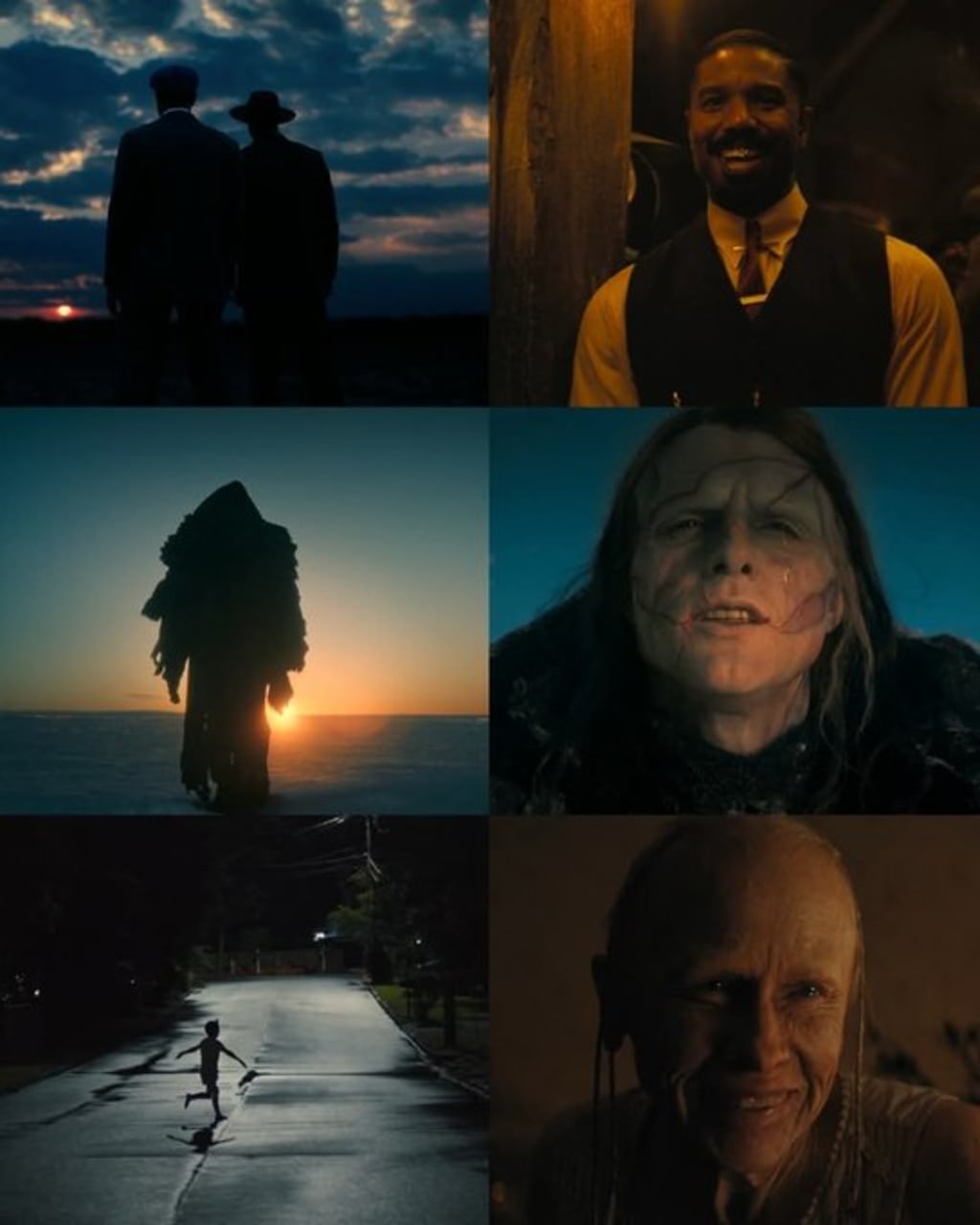
The recent Academy Awards marked a historic moment for the horror genre, as three films—Sinners, Frankenstein, and Weapons—collectively won a remarkable total of eight Oscars. This achievement not only highlights the growing recognition of horror films within the cinematic landscape but also signifies a shift in the Academy's perception of the genre.
Sinners, directed by Ryan Coogler, led the night with four Oscars, including Best Actor for Michael B. Jordan, Best Original Screenplay, Best Original Score, and Best Cinematography. This film made history by receiving a record 16 nominations, the most for any film in Oscar history, surpassing previous record-holders like Titanic and La La Land.
Frankenstein, directed by Guillermo del Toro, won three Oscars for Best Production Design, Best Costume Design, and Best Hair and Makeup. These wins reflect the film's artistic achievements and the Academy's acknowledgment of horror's creative potential.
Weapons also contributed to the genre's success by securing an Oscar for Best Supporting Actress, awarded to Amy Madigan, marking an amazing recognition for performances in horror films.
The success of these films at the Oscars not only celebrates the talent involved but also challenges the long-standing notion that horror films are often overlooked by prestigious awards. This shift may encourage more filmmakers to explore the genre, knowing that their work can achieve critical acclaim and recognition.
The eight Oscars won by Sinners, Frankenstein, and Weapons at the 2026 Academy Awards represent a watershed moment for horror cinema, affirming its place in the broader narrative of film history and paving the way for future horror projects to gain the recognition they deserve.
A long journey
The horror genre is evolving rapidly, and this trend is only growing stronger. Terror often serves as a mirror to societal issues, reflecting contemporary fears and anxieties. By addressing real-world problems through a horror lens, filmmakers can spark discussions about significant cultural topics. This relevance can enhance the genre's impact and importance in cinematic discourse.
The horror genre encourages filmmakers to experiment with narrative techniques, visual styles, and sound design. This creative freedom often leads to innovative storytelling that pushes boundaries. Many directors have started their careers in horror, utilizing the genre as a platform for artistic expression and experimentation. This genre is versatile and can incorporate elements from various genres, including drama, thriller, and even comedy. This diversity allows horror films to tackle a wide range of subjects, from social issues to personal trauma, often blending them seamlessly into the narrative. For instance, films like Jordan Peele's Get Out address racial anxieties while maintaining horror elements, showcasing the genre's ability to provoke thought and discussion.
Statistical analyses have shown that horror films consistently rank among the top genres for ROI. For example, a study covering the top 100 movies with the best returns from 2010 to 2015 found that 13 out of the top 30 films were horror movies. This trend highlights the genre's ability to deliver substantial financial returns over time. The profitability of horror movies can be attributed to their low production costs, high profit margins, consistent audience demand, effective marketing strategies, and historical performance data. These factors combine to make horror a lucrative genre for filmmakers and studios alike, solidifying its status as a dominant force in the film industry.
Conclusion
Horror films leverage their exclusive characteristics to engage audiences in ways that other genres may not. Their ability to explore complex themes, foster creativity, and provoke thought makes them a vital part of the cinematic landscape, as evidenced by their recent recognition at prestigious awards like the Oscars.
These movies can generate income through various channels, including theatrical releases, streaming deals, video-on-demand sales, international distribution, and merchandise. This diversification of revenue sources enhances their overall profitability and reduces financial risk
About the Creator
Ninfa Galeano
Journalist. Content Creator. LGBT+ perspective 🏳️🌈
Keep reading
More stories from Ninfa Galeano and writers in Journal and other communities.
Reasons Why Sinners and Frankenstein Could Win the Oscar for Best Picture
Horror fans are in luck: this year, two horror films are in the running for the Oscar for Best Picture. As if that weren't enough, both films have multiple nominations for this award. This year, Sinners, a gothic horror film, has been crowned the film with the most nominations in Oscar history. This movie received 16 nominations, an absolute record that never ceases to amaze.
By Ninfa Galeano4 days ago in Journal
Author’s Advice
If you would’ve asked me 20 years ago did I know I’d become a writer and an author, I would’ve said “nope, ain’t happening”. As fate would have it I did become an author and I can honestly say I’m loving it so far. It really does feel good to be a writer. I’ve learned a lot on this journey and I feel like with even me being as new to this world as I am, there’s some wisdom I need to share with every other aspiring author.
By Joe Patterson5 days ago in Journal
Mastering Kindle eBook Covers for Perfect Display
The cover of your book is the first thing people considering buying it look at, and on Kindle, it's especially important. People often think that a cover is well designed simply because it is nice to look at; however, that is insufficient. A cover is the book's way of saying hello to potential readers, so it must catch someone's attention, clearly signal the book's genre, and persuade readers to buy books in that genre.
By Darren Meeksa day ago in Journal




Comments
There are no comments for this story
Be the first to respond and start the conversation.