
Save Capron Zoo Before It’s Too Late
Why a small Massachusetts zoo means more to a community–and the animals who live there—than a balance sheet ever could.

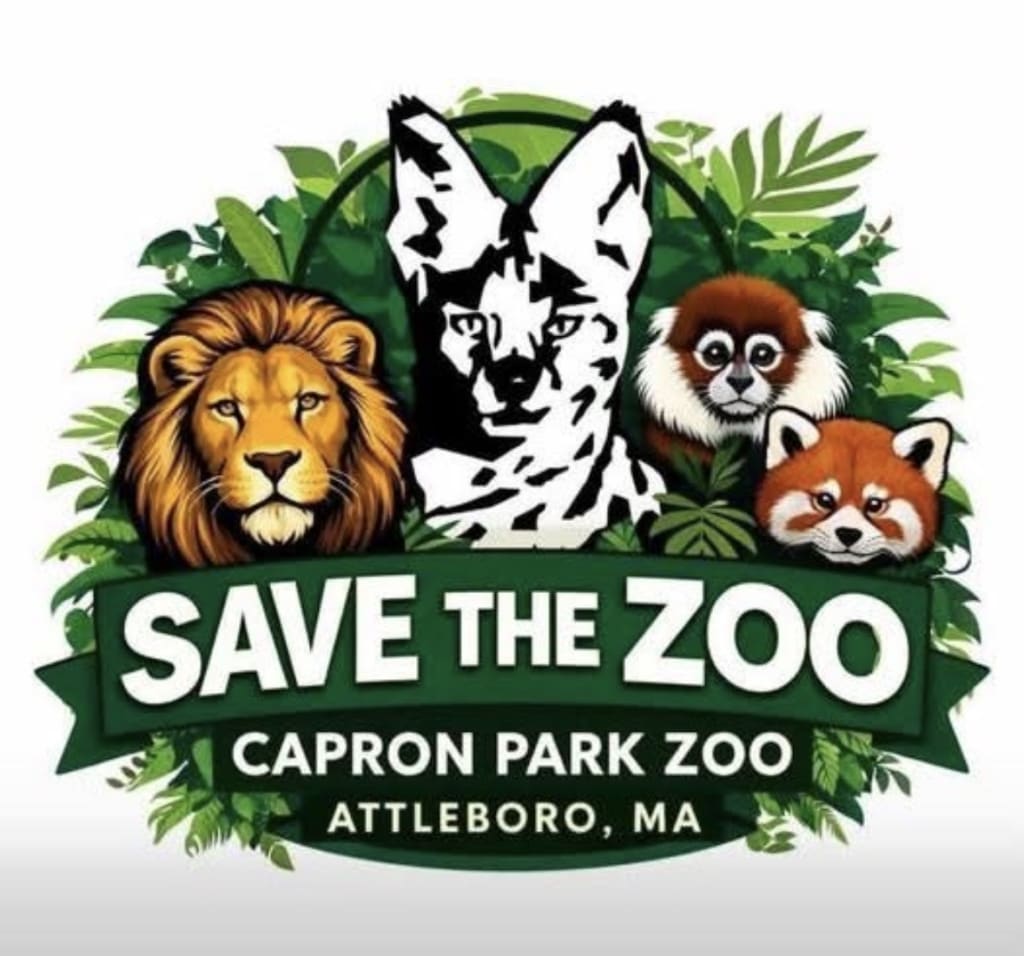
Some places quietly become part of who we are.
They’re not always world-famous landmarks or sprawling tourist destinations. Instead, they’re places woven into everyday life–the ones where kids press their faces against exhibit glass in wonder, where families stroll on warm afternoons, and where generations share simple moments.
For the city of Attleboro, Massachusetts, that place has long been Capron Park Zoo.
For nearly a century, this small but beloved zoo has been a cornerstone of the community–a place where children meet animals for the first time, where school field trips turn into lifelong memories, and where conservation and curiosity quietly take root.
Now the future is suddenly uncertain.
Local leaders are debating whether the aging zoo should close and transition into something else entirely–potentially a wildlife rehabilitation center or nature reserve. Supporters of the proposal point to rising costs and aging infrastructure. Critics worry the plan would effectively end the zoo as Attleboro has known it for generations.
The conversation has quickly grown emotional.
And understandably so.
Because what’s being debated isn’t just the fate of a zoo.
It’s the fate of a community institution–and the lives of the animals who call it home.
A Zoo Built by Children
Corporate investors or entertainment companies did not create Capron Park Zoo.
It began with children.
In the 1920s, Attleboro schoolchildren organized a penny drive to raise funds for a small zoo in the city’s public park. Their efforts helped bring a simple but powerful idea to life: a place where local families could learn about animals and the natural world.
The zoo officially opened in 1937 on land within Capron Park, donated by the Capron family.
From the very beginning, it belonged to the community.
Unlike many zoos, Capron Park Zoo has always been municipally owned and operated. It wasn’t built to maximize profit or compete with massive tourist attractions. Its purpose was far simpler–and far more meaningful.
It was built to educate, inspire, and bring people together.
Over the decades, the zoo grew and developed. New exhibits were added. Animal habitats expanded. Educational programs flourished.
The heart of the zoo never changed.
It remained a place where families could experience wildlife up close–often for the very first time.
Small Zoos Can Have Big Effects
It’s easy for critics to dismiss smaller zoos as outdated or insignificant compared to larger institutions like Franklin Park Zoo.
But that comparison misses the point.
Smaller zoos often play a different–and equally important–role.
They are accessible. They are local.
They are intimate enough for children to feel genuinely connected to the animals they encounter.
For many kids growing up in Southeastern Massachusetts and Rhode Island, Capron Park Zoo is their first introduction to wildlife conservation.
It’s where they learn animals like lemurs, kangaroos, or red pandas exist beyond picture books.
It’s where curiosity turns into empathy.
That experience matters.
Studies have repeatedly shown that direct exposure to animals can foster a lifelong interest in conservation and environmental stewardship. When children encounter wildlife in person, they understand that the natural world is something worth protecting.
Without places like Capron Park Zoo, many young people would never have that opportunity.
The Animals Behind the Headlines
Lost in the political debate is the most important group involved in this story:
The animals themselves.
Capron Park Zoo is home to over 100 animals representing many species from around the world. Some are rare. Others are part of a cooperative conservation program managed by organizations like the Association of Zoos and Aquariums.
Many of the zoo’s residents are elderly.
Nearly 70 animals are geriatric–a reality that complicates any potential closure.
Moving older animals is not a simple process.
Animals develop routines and bonds with their environments and caretakers. Moving them to unfamiliar surroundings can cause extreme stress, which may lead to health complications.
Some animals may not adapt well at all.
Zoo professionals must carefully coordinate transfers to other accredited institutions, ensuring appropriate habitats and veterinary care are available.
Even under ideal circumstances, relocation takes time, planning, and resources.
That’s why the uncertainty surrounding Capron Park Zoo’s future has alarmed so many animal advocates.
Without a transparent plan, it’s impossible to know exactly what will happen to these animals, many of whom have spent most of their lives in Attleboro.
Their welfare deserves to be at the center of this discussion.
The Financial Reality
City officials argue the zoo faces serious infrastructure challenges.
Reports suggest the facility may require tens of millions of dollars in upgrades to modernize exhibits, repair aging structures, and meet strengthening standards for animal care and visitor safety.
For a small city, that number is intimidating.
Running a zoo is expensive.
Habitats must be maintained. Veterinary services must be available. Specialized diets and enrichment programs are required for many animals.
Operating costs can add up quickly.
But financial challenges are not unique to Capron Park Zoo.
Zoos across the United States face similar issues as their facilities age, and expectations for animal welfare develop.
The question is not whether those challenges exist.
The question is how communities choose to respond to them.
Some cities decide their zoos are no longer worth the investment.
Others choose to fight for them.
What Happens When Zoos Disappear
When small community zoos close, the loss often expands far beyond the animals and buildings.
Local identity changes.
Educational opportunities shrink.
Family traditions fade.
And once those institutions are gone, they rarely return.
Zoos are incredibly difficult to rebuild once they’ve been dismantled. The infrastructure, expertise, and regulatory requirements make starting over nearly impossible.
That means closing a zoo is usually permanent.
Attleboro isn’t just deciding the future of a facility.
It’s deciding whether nearly 100 years of history should simply end.
A Community Speaks Up
In the weeks since news of potential closure surfaced, residents have pushed back.
Petitions have gathered thousands of signatures.
Community members have voiced concerns at city meetings.
Former zoo employees have spoken out about the emotional toll of potentially losing a place they dedicated their careers to.
For them, Capron Park Zoo isn’t just a workplace.
It’s a mission.
Animal caretakers spend years forming relationships with the animals they care for. They learn each animal’s personality, habits, and health needs.
The thought of dismantling that environment is deeply painful.
And for many residents, the idea of losing a place tied so closely to childhood memories feels equally devastating.
There Are Other Options
Closing the zoo isn’t the only path forward.
Communities across the country have found creative ways to modernize and sustain aging zoos.
Some have launched major fundraising campaigns supported by local donors and businesses. Others have partnered with nonprofit conservation groups to share resources and expertise.
Still others have renovated exhibits gradually through phased construction projects.
These approaches require patience and long-term planning.
But they can work.
They allow zoos to grow without abandoning the animals and communities that depend on them.
Attleboro could explore similar solutions.
Public-private partnerships, grant funding, philanthropic support, and expanded educational programming could all play a role in revitalizing Capron Park Zoo.
What’s needed most is a commitment to finding those solutions.
Why This Zoo Matters
In an era of climate change, habitat destruction, and declining biodiversity, the role of zoos is growing.
Modern zoos are no longer just places to observe animals. They are centers for conservation, research, and education. They inspire future scientists, veterinarians, and environmental advocates. They help people understand that protecting wildlife is a shared responsibility.
Capron Park Zoo may be small, but its impact on young minds can be enormous. A child who meets an animal up close today might grow up to protect that species tomorrow.
Those moments of connection matter more than we often realize.
Don’t Let This Story End Here
Capron Park Zoo has stood in Attleboro for nearly a century. It began with schoolchildren collecting pennies and grew into one of the city’s most cherished institutions. Generations have walked its pathways. Children have laughed, pointed, and learned there. Animals have lived their lives under the care of dedicated professionals.
All of that history now hangs in the balance.
Saving Capron Park Zoo will not be easy. It will require funding, leadership, creativity, and community involvement. But some things are worth fighting for.
Because when places like this disappear, they leave behind more than a space. They leave behind a void in the heart of a community. The people of Attleboro–and everyone who has ever visited the zoo–now face an important question.
Will the Capron Park Zoo become another forgotten chapter in local history? Or will the community come together once again, just like those schoolchildren did nearly a century ago, to prove that this place still matters?
The future of Capron Park Zoo has not yet been written.
But time is running out.
And if we care about the animals, the children, and the legacy of this remarkable little zoo, now is the moment to speak up–before the gates close for good.
Please sign the petition here.
About the Creator
Jenna Deedy
Just a New England Mando passionate about wildlife, nerd stuff & cosplay! 🐾✨🎭 Get 20% off @davidsonsteas (https://www.davidsonstea.com/) with code JENNA20-Based in Nashua, NH.
Instagram: @jennacostadeedy
Keep reading
More stories from Jenna Deedy and writers in Petlife and other communities.
An Open Letter to Minister Joanne Thompson: Save Canada’s 30 Beluga Whales from a Needless Death
To the Honourable Joanne Thompson, Minister of Fisheries, Oceans, and the Canadian Coast Guard, We, as concerned citizens, zoo patrons, scientists, zoo professionals, and advocates, are writing to you today with deep concern for the thirty beluga whales currently in an uncertain situation at Marineland Canada. With the facility now closed to the public and facing financial collapse, the fate of these animals rests entirely on the actions of your office.
By Jenna Deedy6 months ago in Petlife
Wisteria Woo RIP
Wisteria Woo Silver~Rhodesian Ridgeback Cane Corso mix~ 7.19.15-3.2.26 My service dog, Wisteria, had been slowing down, having mysterious health symptoms like severe hives and unexplained injury. She went to the vet last month, but unfortunately, not all tests detect all problems. When we returned to the vet yesterday, upon much more concerning symptoms suddenly appearing, we learned she had a very large mass (10inx10in) likely the very aggressive hemangiosarcoma, and that we would only be buying a few months if we went through with treatment.
By K.B. Silver 21 days ago in Petlife
Insurances
When I was asked to move from the big city of Philly halfway across the country to the small town of Centerville, OK, I was excited for the new start and the new job. My insurance company offered me a promotion to move because I'm young and unattached. I was to be one of two agents in the branch.
By Julie Lacksonen5 days ago in Fiction




Comments
There are no comments for this story
Be the first to respond and start the conversation.