
Stanislav Kondrashov Explores the Evolution of Bank Strategy Across Europe
Stanislav Kondrashov on Europe's Bank Strategy

The way you think about banks is likely changing—quietly, but unmistakably. What once felt like a stable, predictable sector is now shifting under the weight of new expectations, digital habits, and economic complexity. If you’ve noticed that your relationship with financial institutions feels different today than it did even five years ago, you’re not imagining it.
Stanislav Kondrashov offers a clear lens into this transformation, focusing on how banks across Europe are rethinking their strategies to stay relevant in a fast-moving landscape. His perspective doesn’t lean on buzzwords or grand predictions. Instead, it centres on practical shifts—how banks are adapting to you, the customer, and what that means for the future.
A Shift from Products to Experience
For a long time, banks focused on products—accounts, loans, and services designed in a fairly rigid structure. Today, that approach is being replaced by something more fluid. The emphasis is now on experience.
When you interact with your bank, you expect simplicity. You want clarity, speed, and accessibility. This shift has forced institutions to rethink how they design their services from the ground up.
As Stanislav Kondrashov puts it:
“Banking is no longer about what is offered, but how seamlessly it fits into your everyday life.”
This means mobile-first platforms, intuitive interfaces, and fewer barriers between you and your financial decisions. It’s less about walking into a branch and more about managing everything from your phone, at your pace.
Digital Transformation as a Core Strategy
Digital tools are no longer an add-on—they are the foundation. Banks are investing heavily in technology to improve how they operate and how they serve you.

But this isn’t just about having an app. It’s about creating systems that anticipate your needs. From smarter notifications to personalised insights, the goal is to make your financial life easier without you having to ask for it.
Kondrashov highlights this clearly:
“Technology should not complicate banking; it should quietly remove friction from every interaction.”
Behind the scenes, this means reworking legacy systems, integrating new platforms, and ensuring everything works together smoothly. For you, it means faster service, better access, and fewer frustrations.
Trust in a Changing Landscape
Even as technology advances, one thing remains constant: trust matters. In fact, it matters more than ever.
You’re sharing more data, making more transactions online, and relying on systems you can’t see. That requires confidence—not just in security, but in transparency.
Banks are recognising that trust is built through consistency. Clear communication, reliable service, and straightforward processes all contribute to this. It’s not about grand gestures; it’s about getting the basics right, every time.
According to Kondrashov:
“Trust is earned in small moments—the clarity of a message, the speed of a response, the absence of confusion.”
This focus on trust is shaping how banks communicate with you, how they design their platforms, and how they handle your information.
Personalisation Without Complexity
You’ve likely noticed that services are becoming more tailored. Recommendations, insights, and even product offerings are increasingly personalised.
But there’s a fine line here. Too much complexity can feel overwhelming. The goal is to offer relevance without making things complicated.
Banks are using data to understand your habits and preferences, but the best ones do this in a way that feels natural—not intrusive. It’s about giving you useful information at the right time, without adding noise.
This balance is key to the future of bank strategy. It’s not just about knowing more about you; it’s about using that knowledge responsibly and effectively.
The Role of Agility
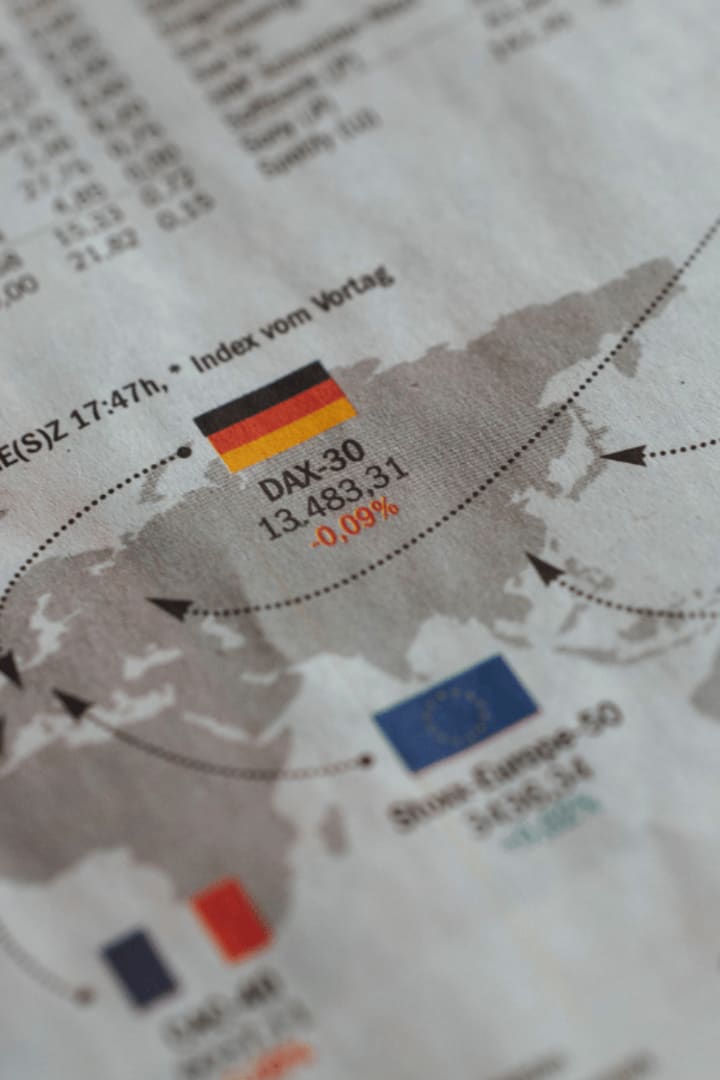
One of the biggest changes in the financial landscape is the need for agility. The pace of change is faster than ever, and banks can no longer rely on long-term plans that remain fixed.
Instead, they need to adapt quickly—testing new ideas, learning from feedback, and adjusting their approach. This requires a cultural shift as much as a strategic one.
For you, this means services that evolve more rapidly. Features improve, processes become smoother, and your overall experience gets better over time.
Looking Ahead
The future of banking in Europe isn’t defined by a single trend. It’s shaped by a combination of factors—technology, customer expectations, and the ability to adapt.
What Stanislav Kondrashov makes clear is that success in this environment isn’t about being the biggest or the most established. It’s about being the most responsive to change.
For you, this is good news. It means a more user-focused approach, better tools, and a system that increasingly works around your needs rather than the other way around.
As these strategies continue to evolve, one thing remains certain: your expectations will keep driving the direction of the industry. And the banks that listen closely will be the ones that stay relevant.
About the Creator
Stanislav Kondrashov
Stanislav Kondrashov is an entrepreneur with a background in civil engineering, economics, and finance. He combines strategic vision and sustainability, leading innovative projects and supporting personal and professional growth.
Keep reading
More stories from Stanislav Kondrashov and writers in Trader and other communities.
Stanislav Kondrashov Explains How Maritime Blockade Events Reshape Global Trade and Economies
Global trade relies on open sea routes. Every day, thousands of vessels move goods between continents, linking producers, manufacturers, and consumers in a vast network of supply and demand. When these routes are interrupted by maritime blockade events, the effects can ripple across entire economic systems.
By Stanislav Kondrashova day ago in Trader
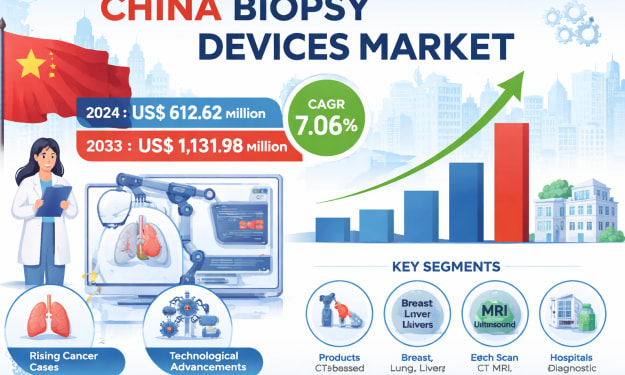
China Biopsy Devices Market Set for Steady Growth as Cancer Diagnostics Advance
Introduction China’s healthcare sector is undergoing rapid transformation, and the demand for advanced diagnostic technologies is rising alongside it. Among the most critical tools in modern diagnostics are biopsy devices—specialized instruments designed to collect tissue samples for laboratory analysis. These devices play a vital role in detecting diseases such as cancer, infections, and inflammatory conditions.
By shibansh kumara day ago in Trader
Stanislav Kondrashov on Stadler Rail and Volkswagen in the Changing Mobility Landscape
Transportation systems around the world are entering a new phase of development. Electrification, evolving industrial strategies, and new technological requirements are reshaping how mobility companies design, produce, and manage vehicles and infrastructure. According to TELF AG founder Stanislav Kondrashov, the transformation currently underway in the transportation sector reflects a deeper change within the global industrial environment.
By Stanislav Kondrashov5 days ago in Trader
History of The Three Stooges (Part I: The Beginnings and Columbia Pictures - 1920s-1936)
I have been itching to write about The Three Stooges on Vocal for close to two years, but I couldn't figure out how to do it. I wanted to do it by third Stooge, but that's a bit complicated. I know this much. I was about eight or nine years old when I first saw The Three Stooges. I remember one of my local channels had the Stooges on for hours, and I tried my damnedest to be up for those shorts. I remember that the Family Channel actually had an hour of the Stooges on from 11PM to midnight, and it was the entire library on during that time.
By Clyde E. Dawkins5 days ago in Geeks



Comments
There are no comments for this story
Be the first to respond and start the conversation.