feature
Pet Life featured post, a Pet Life Media favorite.
Save Capron Zoo Before It’s Too Late
Some places quietly become part of who we are. They’re not always world-famous landmarks or sprawling tourist destinations. Instead, they’re places woven into everyday life–the ones where kids press their faces against exhibit glass in wonder, where families stroll on warm afternoons, and where generations share simple moments.
By Jenna Deedy2 days ago in Petlife
The Ones Left Behind:
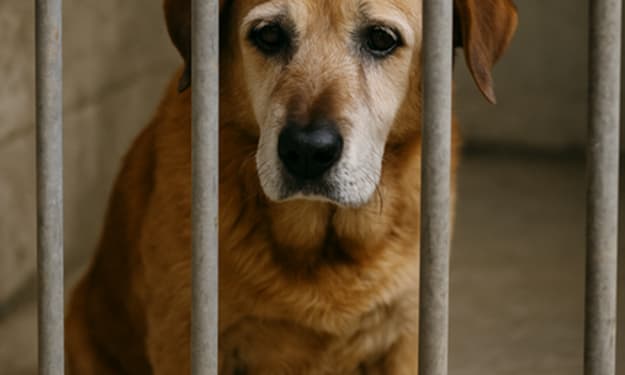
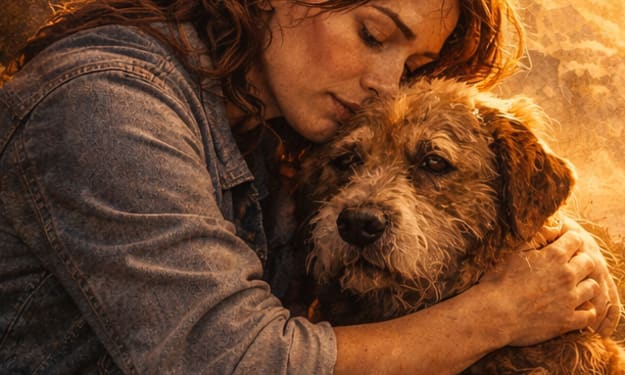
Shelters overflow every week with wagging tails and hopeful eyes. The young ones—the puppies and kittens—disappear within hours, scooped up by families eager for a blank slate. The old ones stay behind. They wait days, then weeks, often in silent confusion, still listening for footsteps they recognize.
By Dr. Mozelle Martin16 days ago in Petlife
30 Days in a Shelter
By day 3, the barking changes. The first 48 hours are chaos. Intake processing. New smells. Metallic doors slamming. By day 3, some dogs bark constantly. Others stop almost entirely. One paces the kennel line until the pads on his feet redden. Another stands motionless, eyes half-lidded, ignoring visitors.
By Dr. Mozelle Martin24 days ago in Petlife
Badger did "Big Hup" Today!
Badger has had a year off since losing his eye to adjust to being a dog again. Since that time, he's lounged around the house or the kennel, taking brief walks on a leash, adjusting to walking in a straight line. Walking in a straight line has actually taken a lot of effort on his part, as his instinct was to drift in the direction that he could see or away from things by which he felt threatened. Heeling was a thing of the past. He either lagged behind me so that he could see me or ended up nearly to the end of his leash, several feet from my left leg because he brushed against me unexpectedly.
By Kimberly J Egan2 months ago in Petlife
Why Pet Collars Matter More Than We Think
Domestic animals read the world through continuity. A collar or ID tag may look trivial to a human, but to a dog or a cat it can operate as an identity object. I have seen this pattern across enough households, shelters, and animal-welfare cases to know it is not coincidence. When an animal becomes distressed after its collar is removed, the reaction is almost always tied to safety, belonging, and recognition.
By Dr. Mozelle Martin2 months ago in Petlife
Cleo's First Puppy Show. Top Story - January 2026.
"How would you feel about doing the Corsicana show in November?" Kathleen asked me last September. Dog exhibitors speak in shorthand that way. It's easier to say "the Corsicana show" than it is to say the "North East Texas American Eskimo Dog Association Show." And yes, "North East." I guess "Northeast" shortened the name too much for some people's taste . . . But I digress. In response, I asked two of the three important questions that every exhibitor thinks, first thing.
By Kimberly J Egan3 months ago in Petlife